
Every teacher hopes that her students will want to learn forever. I often tell my students “If you practice active listening during models, you will learn a lot. If you listen actively to your friends, you will learn even more because their questions are so important.” Why are questions so important? Click the link below for an explanation of students in the United States and why they stop asking questions.
Creativity Crisis & Question Asking
Creativity is a major prediction of success later in life, but sometimes it’s difficult to nurture creativity in the classroom. Students think they are supposed to have the answer, not the question, and almost completely stop asking questions before high school. Teachers feel like they have to “get through” the material so they ask students to hold their questions but then may not circle back to hear or answer them.
With that said, my philosophy of education is to provide a space where children know they can ask a question and their risk will be rewarded rather than stifled. In order to facilitate a classroom community where there is time for questions to be asked and answered, whether during a closing meeting or a lunch bunch, structure is an important piece of the puzzle. If students are set up for success, understand the guidelines, and have had ample time to practice what the expectation looks and sounds like, 9 out of 10 students will meet the expectation. Children enjoy structure as long as it has a rationale, and following a system of guidelines that help them and their team learn feels satisfying [just like adults].
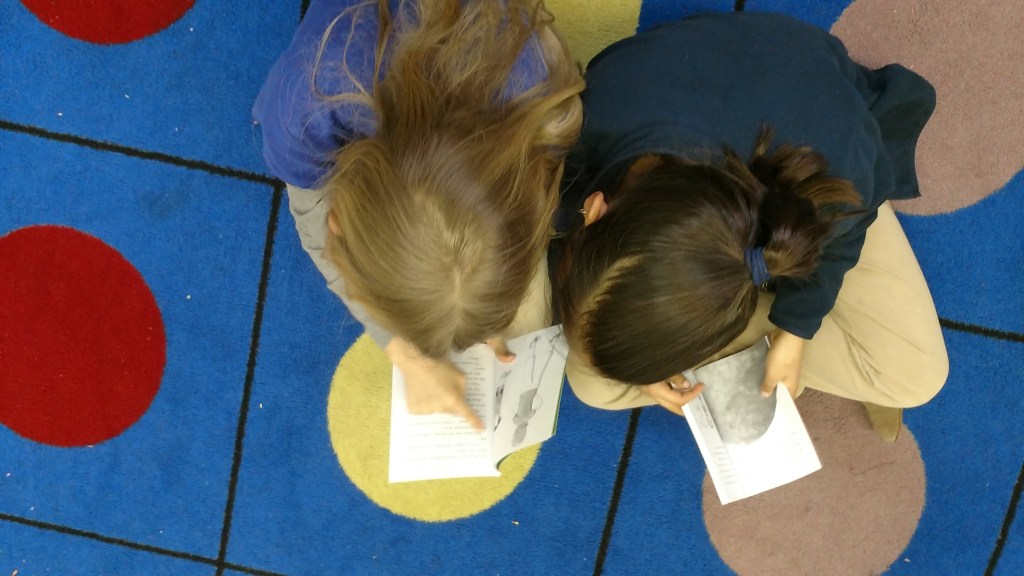
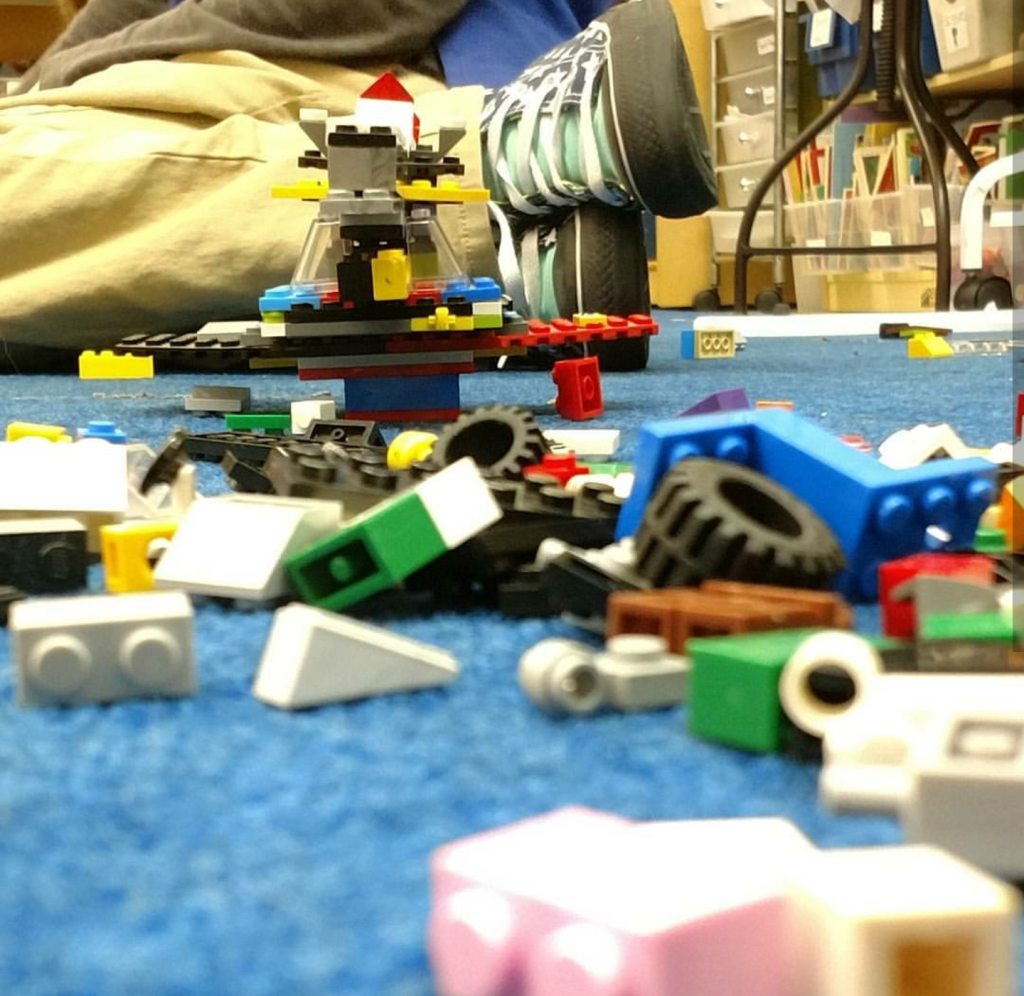
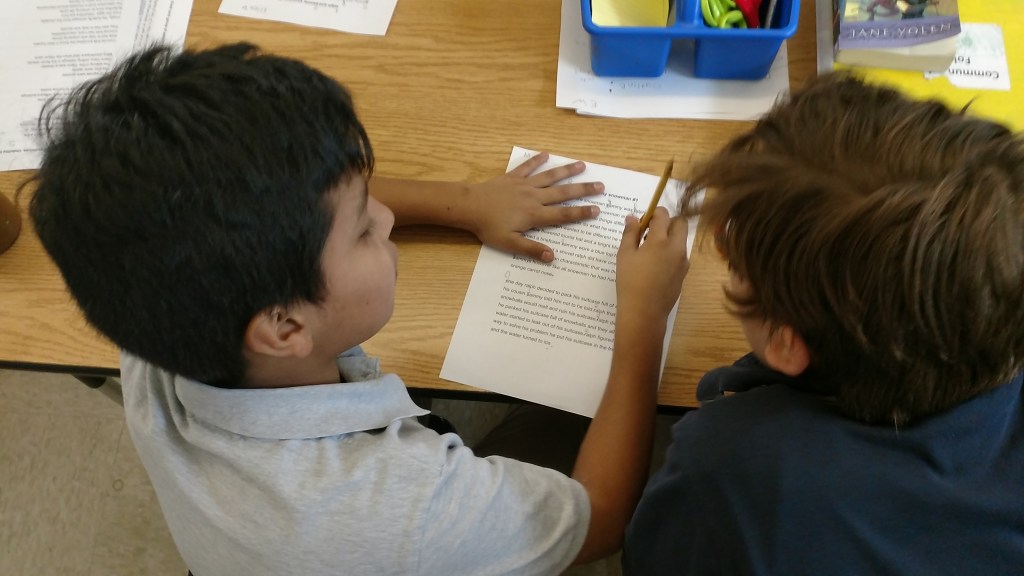
When students are working as a team then you all have the time, energy, and cooperation to learn in various, creative formats. Students should be using computers, tactile materials like sand, magnet blocks, or gel pens, reading, listening to books and to each other, and writing about everything they do. My last note on philosophy is that teachers should provide clear and specific feedback. We can do this verbally or in writing, and should do it as often as we can to help students grow. A “great job” or even a “wonderful introduction” does not go as far in developing an author as “…your sentence about popcorn is very strong, keep using your senses to describe!”


 Teaching, Leading & Learning